All posts by Frank Jurkovic

A Dream Come True!

Only in dreams has the continent of Africa been a possibility for me to visit and learn in.  The study abroad program with St. Petersburg College in Namibia became an opportunity for those dreams to become a reality. As a student and as a person, this has been a life-changing event for me. It also was my first time leaving my country, something thrilling on its own merits. 

Arrival on the 7th of December from our various destinations was uneventful, and once settled we were given an opportunity to rest. Our orientation would be the following morning with Heidi after breakfast at the Lapa. At orientation we were given an idea of what activities would be available to us, where and when to meet, and that we would be on various teams. Our day on the 8th was relatively open and participation in the baboon enrichment walk was our introduction to the activities. Activities could include meal preparation for the various species present, enclosure cleaning, project work (waterhole digging/ building, putting up fencing, etc.), feeding both the small and large animals (small animal feeding and carnivore feeding). Going forward, we had opportunities to be a part of the anti-poaching unit (APU); learning about poaching and the many reasons behind it, work with the dogs, carnivore feeding, small animal feeding, enclosure care, and enrichment opportunities for cheetah, baboon, and caracal. We were also given the opportunity to learn about in-field tranquilization and transport of wildlife from the lead veterinarian, Dr. Maaike De Schepper. 

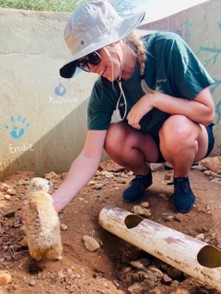
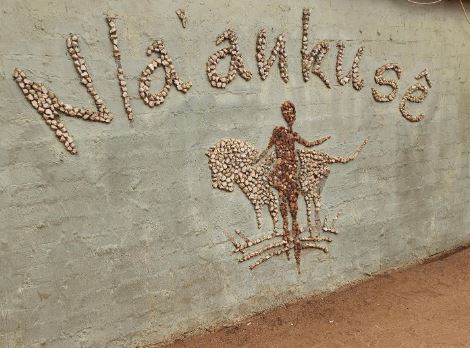
N/a’an ku sê is a San word that means “God will protect us”. The sanctuary houses several different animal species that have, in one way or another, been a part of human – animal conflict or taken into the pet trade within the country of Namibia. Some of these animals are orphans, particularly the baboons. In many places they are considered pests, and are often shot, only to find there is a baby left behind. Other animals were bought from street vendors as cute babies to be pets, often by individuals that did not understand the social structure of the animals (meerkats), that they can and do bite, and that they can be destructive. Some of these animals have become habituated to people, and this can create a potential for conflict. Apollo, one of the elephants on the Zannier Reserve was in exactly this situation when he made a golf course in Swakopmund his home. N/a’an ku sê was asked to remove him for his safety and that of the people and now he walks the 18,533 acres of the reserve with other elephants. 

 Others have found prey on farms to be much easier to catch and were captured for their safety and relocated to the sanctuary.  

My favorite activities were enrichment for the larger cats and going into the bush with the APU. There is nothing like walking with cheetahs or coming up on a fresh lion kill site and seeing these animals in their natural habitat. 

With respect to in-country interactions with the people and animals on the sanctuary and various reserve areas, I found everyone to be highly knowledgeable and willing to share information and answer questions. Dr. Maaike, the lead veterinarian, was very approachable and very willing to share her knowledge. I felt very welcome and comfortable here.  

If the opportunity comes up, I recommend the study abroad program. It will change your life. 

Pamela, SPC Namibia Study Abroad Program 2023 Participant
Most impactful experiences of my life!

The St. Petersburg College study abroad trip has been one of the most impactful experiences of my life! Between interacting with and caring for animals at the sanctuary, breathtaking landscapes and sunsets, unforgettable views of wildlife, and making memories and new friendships, this trip has broadened my horizons and given me a new perspective of the world as I knew it.

For me, the journey began before arriving in Namibia. I had been apprehensive about traveling this far and for this long with a group of strangers! We were able to start a group communication before leaving, getting to know each other, and helping each other navigate through questions and concerns. By the time we had met up at the airport and spent a long layover together, we were far from strangers! It was an amazing group of ladies, all with a passion for caring for animals, but each with their own unique background and personality.  

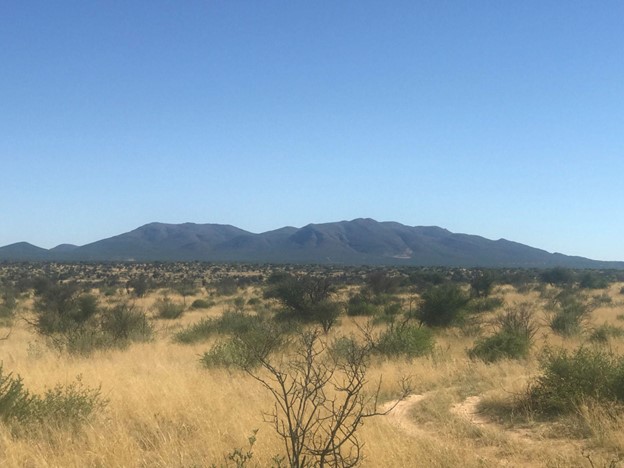
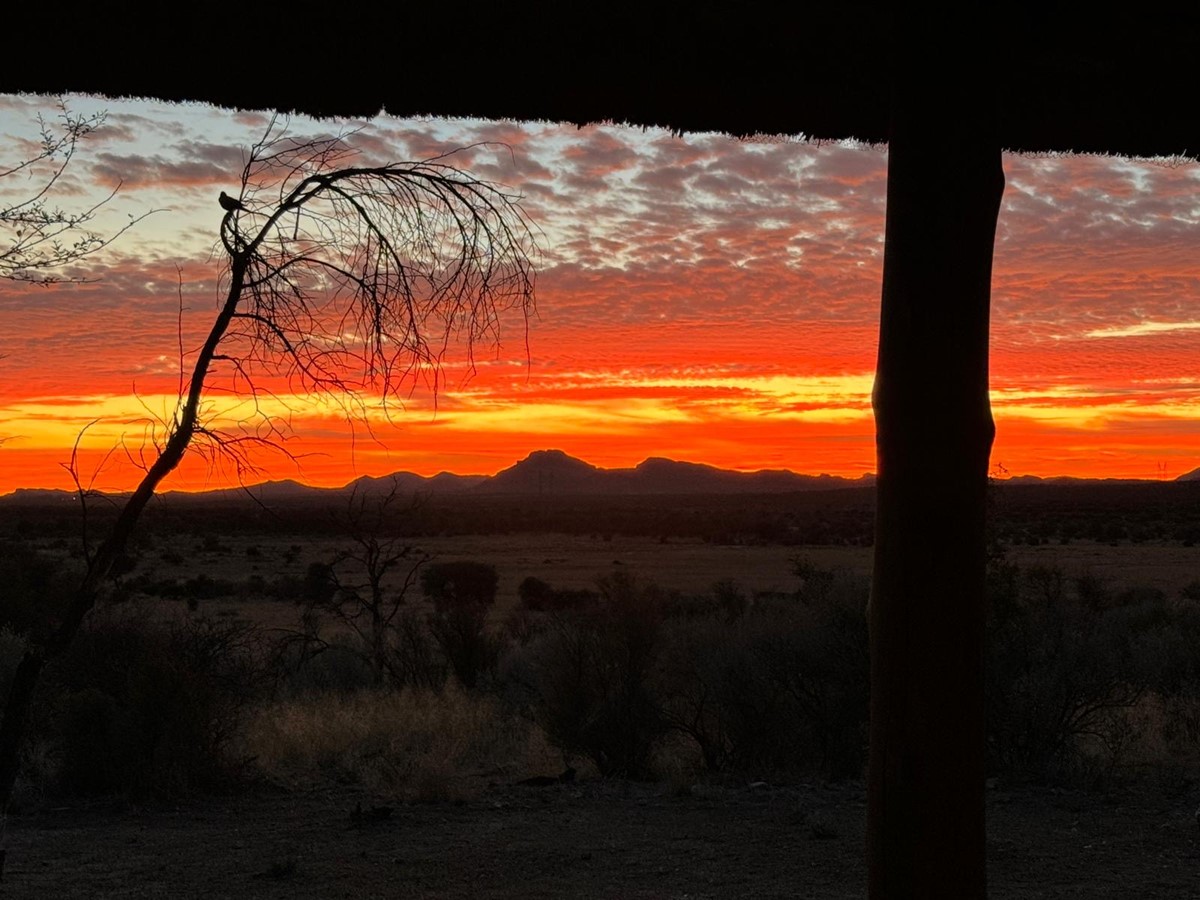
We arrived in Windhoek on the morning of Thursday, December 7th. The thirty hours of traveling had me exhausted, but that didn’t last long! As soon as we left the airport and started driving to N/a’ankuse, I was wide awake in awe of the mountainous views and abundant wildlife that could be seen from the transport van. Upon arriving at the sanctuary, we were greeted by the staff and sent to settle into our accommodations, which had been upgraded to a villa instead of tents. This was amazing as it provided a common space for us to gather and connect as a group. We were then shown around the property, gathered our uniforms, and after dinner, relaxed by the pool at our villa watching the wild zebras run in the sunset in front of the mountains.   

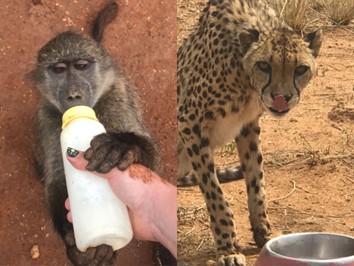
Over the next two weeks, we rotated through a variety of activities. Animals residing in the sanctuary were those that were unable to be released due to injury, disease, human conflict, or other reasons they would be unable to fend for themselves. The activities in the sanctuary involved forms of enrichment, care, and maintenance for the animals. These activities included animal walks (baboon, cheetah, and caracal), cheetah experience, animal feeding and food preparation, data entry, enclosure cleaning, and project work. Of these, the animal walks were my favorite. It was an unforgettable experience to be able to interact with these amazing creatures up close. The staff at N/a’ankuse had raised these animals and shared their stories while educating us on the challenges the different species face. One could see how much the caretakers loved these animals and it was remarkable the efforts they put in to ensure they were living their best lives at the sanctuary. Some of the other tasks, such as project work where we dug a watering hole or animal enclosure cleaning, were not as enjoyable but provided a realization as to just how much work goes into the care of captive wildlife.

We also participated in tasks in the reserve, where the wild, uncaged animals were. The tasks in the reserve consisted of research tracking the elephants, anti-poaching canine training and foot patrol, and Rhino Rangers, where we camped in the reserve overnight tracking and recording the animals. The Rhino Rangers activity was my favorite of all the tasks! While we were not able to have the up-close encounters that we did with some of the animals in the sanctuary, it was magical to see them in their natural habitats. We were able to find eleven of the fifteen rhinos, all five lions, and the three elephants on multiple occasions, as well as numerous other species. The reserve was so full of life; everywhere I turned there were more creatures to see! Words, photographs, and even videos cannot even begin to describe what it is like. The rangers were excellent guides, showing us all the species on the reserve and educating us on them. Through this experience, we not only were able to see unbelievable once-in-a-lifetime views of wildlife, but we also learned about poaching and the efforts used by the N/a’ankuse and other organizations to protect these species.    

On the afternoon of Thursday, December 21st it was time to say goodbye and head home. Heading into this trip, I didn’t know what to expect. Never in my wildest dreams could I have imagined the experiences I would have! I learned so much more than just the care of captive wildlife. I learned about the challenges both these animals and the San people face and not only about the local culture, but of the cultures of other volunteers I met at N/a’ankuse. Although in the broad scheme of things, I contributed very little, I feel pride knowing I could help this cause. It is wonderful to know there are people out there who are willing to dedicate their lives to preserving these species. I may have left Africa, but a piece of it is still with me, and I will forever be changed by this experience!

– Katie Fransen, SPC Namibia Program 2023 Participant

Namibia Program 2024

Rising early is not that bad when you know you are going to be feeding painted dogs and cheetahs or taking a walk through the African bush to help anti-poaching rangers locate the animals under their care. Some duties are the most fun I have ever had in a “classroom”, some are messy, and some may be unpleasant, like digging a new waterhole for the lions, but they will all be memorable. At the end of the day it sometimes feels like all you can do is shower and crash into bed, but the feeling of content at the work you have done and what you have contributed for the animals in the sanctuary and the people whose goal in life is to care for them is enough to want to do it again and again.

I have always wanted to visit Africa. I think it is on many people’s bucket list, but I specifically wanted to contribute to animal conservation somehow. I previously worked as an animal care specialist and guest educator at two different AZA accredited zoos, where I spent the majority of my guest interaction time talking about the conservation efforts being done not only by the zoos here in the US but also in the countries where the animals are being directly affected. Being able to be in Namibia at Na’ankuse wildlife sanctuary with SPC is a dream come true. Seeing what is being done in Namibia for the land, the animals, and the people is made all the sweeter by knowing we are a part of the plan: that we are making a difference. Participating in these animals’ care will forever be special to me, and I am incredibly grateful for the opportunity.

-Charlsie, 2023 Namibia Study Abroad Program Student

Namibia Experience

When arriving in the Windhoek airport most of us had no idea what we would be doing during our time in Namibia. On our first morning we participated in an orientation meeting for all new incoming volunteers. One of the highlights of this orientation is learning about all the different projects volunteers can participate in. The other projects they offer are Harnas Wildlife sanctuary, Neuras, Kanaan, TimBila, and their newest coastal conservation project. I think it is amazing how many different opportunities there are to get involved in conservation. One of the other many experiences we had while there was an afternoon lecture from their resident veterinarian. We also heard about their veterinary program they offer and I would be very
interested in going back and participating. Another part of the lecture was learning about the story of their largest and oldest elephant Apollo. We also had the opportunity to watch a short documentary on how they safely got one of the world’s largest mammals from the coastline 8 hours away onto Naankuse preserve.

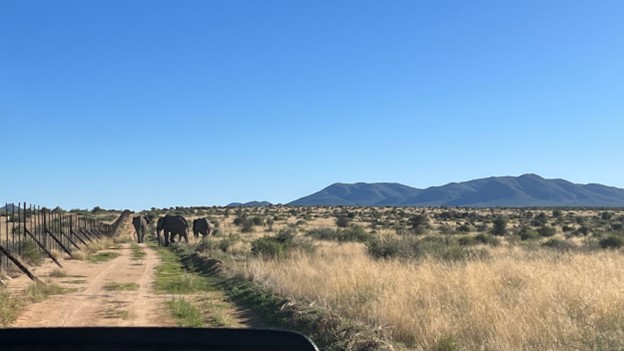
During our stay we had the chance to track their elephants in the reserve and record where they are, what they are doing, and record their body condition score to make sure they are staying in good health. Having the opportunity to see these three elephants interact and play with each other in their natural habitat was a dream come true.

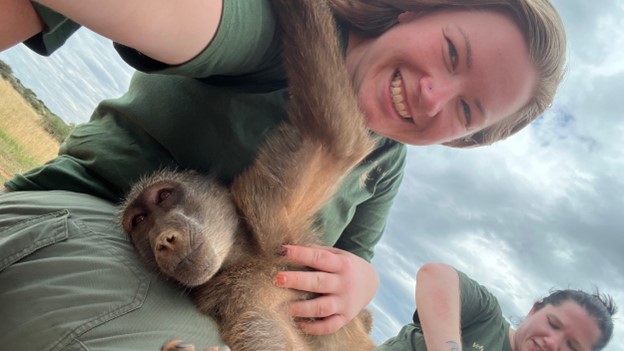
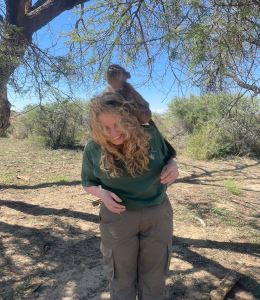
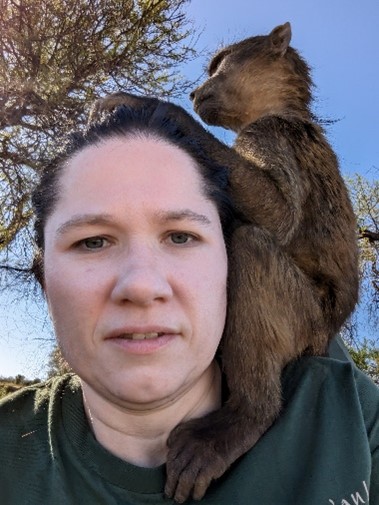
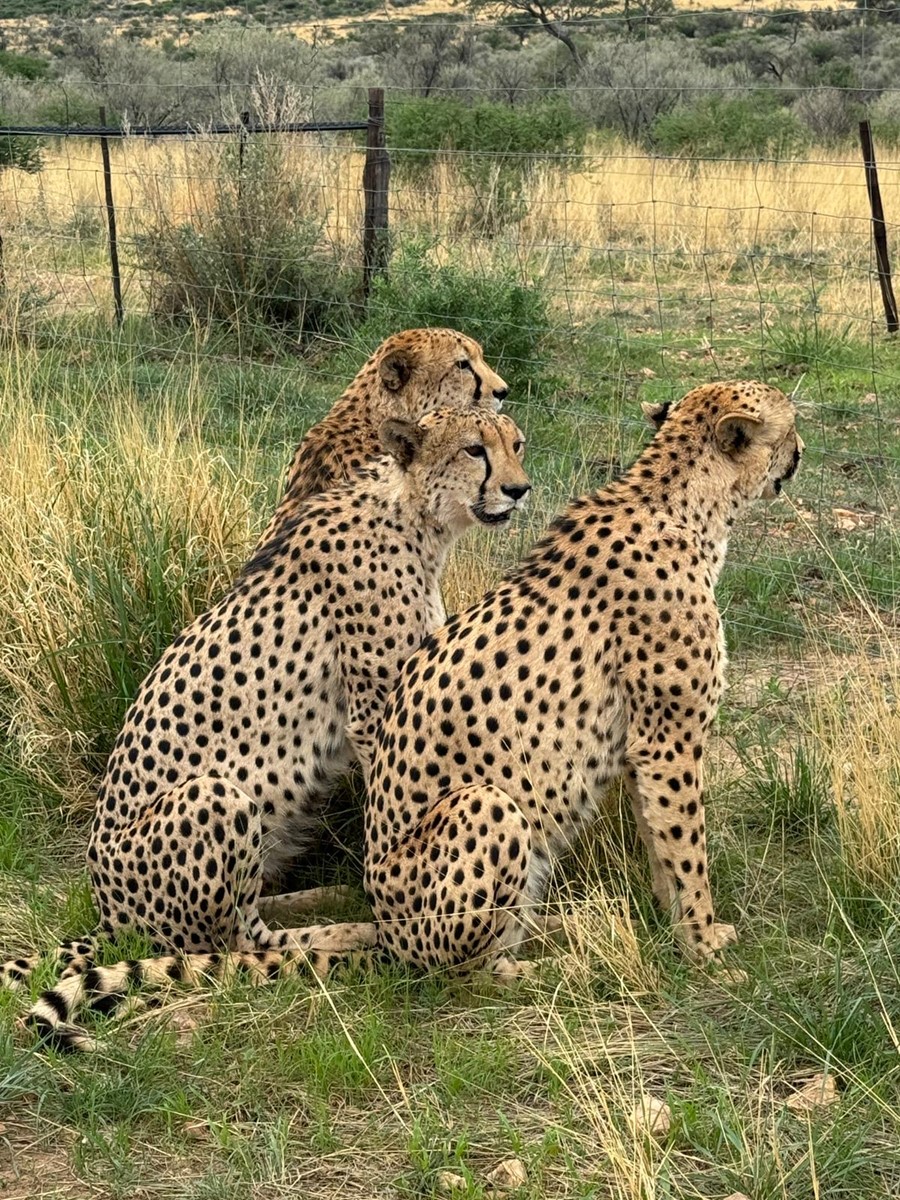
During our time at N/a’anKusê there were several different activities we rotated throughout the week. Some of these activities were small animal feed and food preparation, baboon walk, baboon feed, carnivore feeding, and enclosure cleaning. On our first full day after arriving I have the privilege of participating in the cheetah walk. These three brothers were found orphaned during their first week of life and were hand raised. It was an absolute honor to be able to share an enclosure with majestic carnivores. I love that everyday these cheetahs have the opportunity to get out on a walk and get some mental stimulation which is so important for the well being of every animal. One of the other activities we participated in was the baboon walk. I actually go to participate in this several throughout our stay. It was so fun to watch them run and play in their favorite tree. During my last baboon walk there was a terrible rain storm and two of the baby baboons took cover by hiding in my volunteer shirt. I also had the privilege of being groomed by many of the baboons. They were all particularly fond of my many freckles.

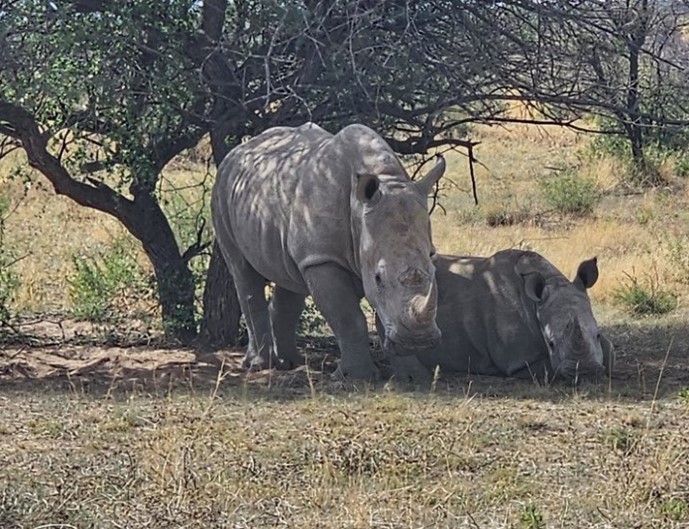
My favorite activity we participated in was the overnight rhino ranger lite. During our overnight we get to spend the night camping in the reserve with the anti poaching unit. We practiced in a several hour patrol looking for any sign of poaching, any sign of a fresh kill from a carnivore, and just seeing some of the amazing animals that live in the reserve. After our several hour patrol we got to camp and were able to cook dinner on fire and set up our tents. After dinner we proceed with a two hour night patrol. The following morning we were taught how to check the electrical fence around the entire perimeter of the reserve. While with the anti poaching unit were able to see my all time favorite animal, the white rhino. It was such a privilege to watch these amazing animals in their natural habitat. This was my first time practicing in a study abroad program. Going to foreign country with people can be nerve racking but I could not imagine doing this program with a better group of people.

Erika, Namibia 2023 Study Abroad Program Student

Namibia Study Abroad

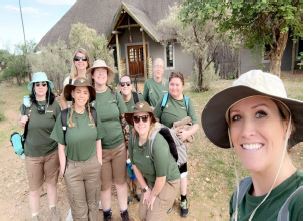
The adventure started at N/a’ankuse on December 7.  We arrived exhausted but were thrilled to realize that the wonderful staff with the booking department had put us all in a Villa rather than tents.  We were given a tour of the surroundings where the Lapa was (where we would gather for meals), and the tiny coffee/gift shop.  We also picked our uniforms (however the one size does not fit all).  Well as one would expect it was very hot in Africa in the summertime.   We had the most amazing view from our villa overlooking some mountains and parts of the sanctuary where we would see an abundance of wildlife throughout our stay there.  Since our arrival was late in the week the staff assign groups on Monday for the week, or weeks. 

For Friday we had orientation in the morning with Heidi. She talked about how the following days would play out, well mostly.  Friday afternoon we were instructed to go to the animal prep feeding area where we were broken up into multiple groups for animal duties.  The first task was Baboon walk. 

Saturday was another busy day as we were put into another set of random groups wherever extra hands were needed for animal care.  There was not strong communication with the staff and volunteers at this point, but we did small animal feeding and meal prep.  This is where we feed the small animals at the sanctuary and prep their meals for Sunday and Monday. 

Monday December 11th, the 9 of us were broken into two groups we were the Cheetah group and Hyena group.  From here we had a better understanding of how the remaining days would play out as far as the tasks assigned and who our staff members were.  Mihka (the veterinary on staff) offered to give us a talk about the risks and necessities of transporting / and sedating wildlife to enter, exit and treat the animals in sanctuary or reserve.

We learned the history of all 3 of the male elephants at the reserve and they all wore GPS collars.  The lions also wore GPS collars. We were able to identify the Rhinos by ear notches and the Anti-poaching unit takes their job very seriously.  All of the animals at the sanctuary are altered so there is no animals able to reproduce.   The amount of work that goes into protecting and caring for these animals is more than one can imagine unless you’re there to experience it.  We met some fellow volunteers that were amazing humans.

-Candace, SPC Namibia Study Abroad Program 2023 Participant
Namibia, an Amazing Place

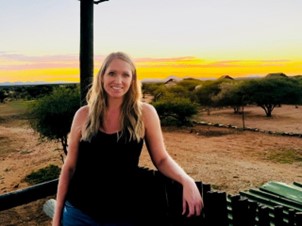
One of the amazing things that we were able to do while we were at the N/a’an kuse reservation was help with the enrichment of the animals that were not able to be released back into the wild.  Some of the ways that this was done were by taking them on walks and letting them out of their cages for a few hours of the day.  We also played with a few of the animals as well. 

I did this twice with the baboons.  When with the baboons I had to remove all of our loose articles like earrings, watch, necklaces, hats and sunglasses. I also had to put our phones and water bottles in the backpack of the mentor that was to take us for a walk.  This was because the baboons will jump on us (from behind) and some will expect us to carry them.  The baboons have a tendency to steal anything that is loose. They know how to unzip pockets and open buttons so knowing there is safe. This includes crock charms and pop sockets from the back of phones.  When we sat down for a while under a shaded tree, we were then able to take pictures and get water. 

I was also able to walk Misty a caracal through the open field that lies behind the villa that I stayed in.  The mentor that took her out did put a tracking collar on in just in case she does decide to run away, which she did not. I watched her climb trees and attempt to hunt in the field.  Unfortunately, on this walk she did not catch anything.   We were able to pet her when she came to us.  I had a really good scratch going on under her chin for a good minute or two.  There was even a possibility to take three cheetahs for a walk but I did not get to participate in that. 

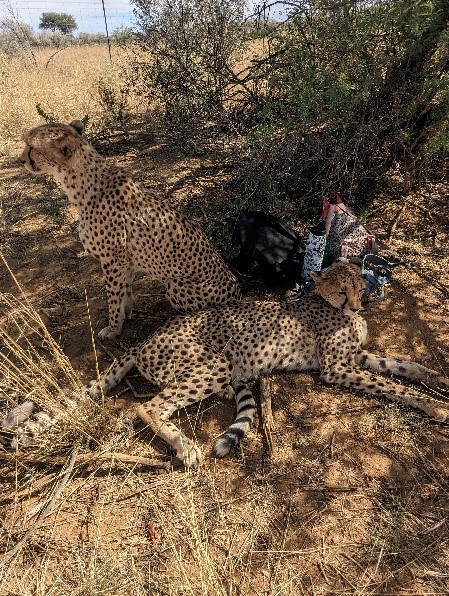
Another way that enrichment was done was by setting up the running machine.  This was to get the four cheetahs Roady (the feisty one), Athena, Amber and the male Kova to chase a flag on the rope and help them burn off steam.  When the machine did work for the few minutes, it was amazing to see them chase the piece of fabric.  The machine needed a battery to work, which was very heavy, that did not keep a charge for very long.  The rope went around four different pully devices that were hammered into the ground and then along a wheel that was connected to the machine.  While we were setting up the machine the four cheetahs were free to walk around us.  They were purring so loud and two of them laid down in the shade where we put our stuff. The cheetahs had a tendency to cheat and sit on the rope of the flag so that it would not move. 

One of the amazing things that we were able to do while we were at the N/a’an kuse reservation was help with the enrichment of the animals that were not able to be released back into the wild.  Some of the ways that this was done were by taking them on walks and letting them out of their cages for a few hours of the day.  We also played with a few of the animals as well. 

I did this twice with the baboons.  When with the baboons I had to remove all of our loose articles like earrings, watch, necklaces, hats and sunglasses. I also had to put our phones and water bottles in the backpack of the mentor that was to take us for a walk.  This was because the baboons will jump on us (from behind) and some will expect us to carry them.  The baboons have a tendency to steal anything that is loose. They know how to unzip pockets and open buttons so knowing there is safe. This includes crock charms and pop sockets from the back of phones.  When we sat down for a while under a shaded tree, we were then able to take pictures and get water. 

The large carnivores were also fed horse meat that had to be prepped for each animal.  They also had a special binder with all of the carnivores and raptures listed with the amount they should eat, what they should eat, and if any medication is needed.  Some of the required medication is in either a pill form that had to be hidden in the meat or a powder that had to be rubbed onto the meat.  The meat was cut by a large industrial saw then weighed on a scale.  When it came time to actually feed the carnivores, we rode in the back of a truck bed and then tossed the raw meat over the fence, often ending up with bloody hands.  If there were several carnivores in the same cage the meat needed to be thrown at the same time.  There was one cheetah Lucky that only had three legs, no teeth and was FELV positive. Therefore, she was in a cage by herself and was fed out of a special pink bowl that could not touch anything else.  Her food also had to be cut into smaller bit size chunks. 

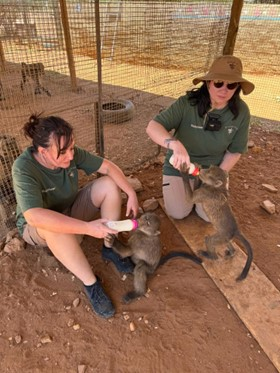
There are four cages of the larger baboons that needed to be fed.  The baboons also required food prep before they were fed.  There was fruit, vegetables and milli pop that needed to be cut.  Once that was done four bins of fruit and vegetables were loaded into the back of a truck bed. Along with four bins and one bucket of milli pop was also loaded into the truck bed.  Then the volunteers climbed into the back of the truck.  We rode to the first cage where we had to through one bin of fruit and vegetables and two bins of the milli pop over the fence, while the truck was moving.  If we did not finish but ran out of fence the driver of the truck would reverse the truck so that we could finish tossing the food over the fence.  This had to be done for all four of the enclosures.  The fruit and vegetables were not bad to throw over the fence but the milli pop made a huge mess. It was almost the consistency of dried sticky mashed potatoes. It dried like cement on the hands and clothes.  When tossed loose pieces would fall off and get everywhere.  We were also responsible for bottle feeding the smaller baboons which was more fun and less messy. 

One of my favorite things about my time at the N/a’an kuse was the activities that pertained to the APU or the anti-poaching unit.  The APU resided at the Zannier Reserve that lied across the road.  There were three different activities that we did under the umbrella of the APU.  The first one was the APU walk, the K9 and the RRL or the Rhino Rangers Light. 

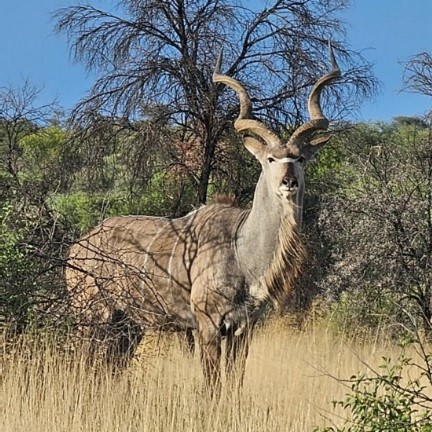
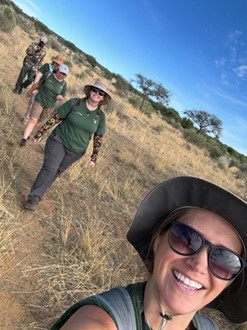
The APU walk is what it sounds like.  Depending on the day and the mentor depends on the path that is taken during the walk.  On the day that I did the walk we walked for almost two and a half hours straight.  There were very few breaks in the shade and the breaks that we took were not very long at all. Most of the breaks were to let the back of the line catch up.  The walk was rather difficult since we had to keep a faster pace than I would I liked.  Most of the time we were walking in sand and even in sand uphill was even harder.  Making sure that one had plenty of water, sunscreen and a large brim hat was very important.  We only saw one animal on our walk, and it was a Greater Kudu.  On the walk the APU is looking for anything out of the normal like different foot or tire tracks, smoke, or even injured or deceased animals. 

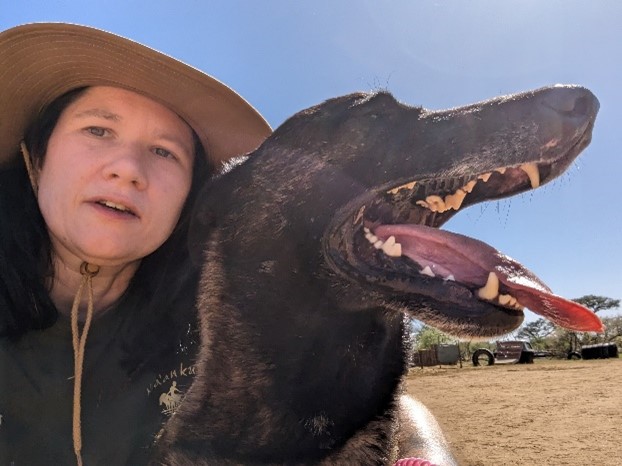
Another part of the APU is the K9 unit.  Here gentlemen train with their dog to obey commands, run obstacle courses, attack and sniff out certain items.  After we watched an amazing demonstration, we then had an opportunity to work with a dog of our choice. We walked with our dogs, got them to turn, sit, stay, lay down, and even play dead.  I choose to work with Mufasa because he seemed like he was really enjoying himself.  We then took turns hiding items like rhino horns and dust, drugs, guns, cheetah urine (since they always use the same tree) just to name a few.  We then saw Mufasa run the obstacle course, which he was fast. Then attack while the person is in a building, up and tree and running.  Then there was a two-dog attack.  I told my husband that if I were to ever go missing, I would want Mufasa to come and find me. 

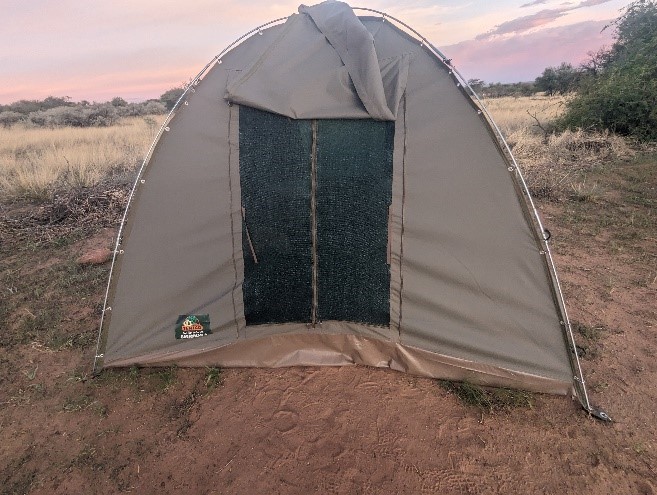
 The last part of APU was the RRL or the Rhino Rangers Light.  This was an overnight excursion where two slept in a tent on separate cots.  They would pick us up at the food prep area a little after 2:30 pm.  We would then ride around in a six-person truck looking for animals that live on the reserve.  We were mostly looking out for the rhinos, but we would stop to look and all of the animals that we found.  There was a binder with each rhino listed. There was a chart that showed how to identify each one along with body score conditions that they are looking at so that they can record it down.  After riding around for several hours looking for animals and anything that looked out of place, we went to the camp around 7 pm. There were dropped off our belongs. We cooked our dinner over an open flame.  We then did a night ride from 8:30 pm until 11:30 pm.  Here we were also looking for animals but just by driving around a night shining the flashlight around and in the air was showing any potential poachers that there was a presence around.  We woke up early the next morning and headed out before 8:00 am for the second part of the RRL.  Here we basically drove around the perimeter of the reserve looking for any hole in the fence or areas where something was digging to get in or out.  If any were found it was covered up by huge rocks that were around. 

We also had to test eleven sections of the electric fence to make sure that it still had power.  In each section there were six different wires that needed to be tested.  We were looking for a voltage of anything between 4.8-11.0 kv.  Once that was done we were then dropped off at our villa since it was just us in our group. I enjoyed the RRL so much that I used my last wish to do it again on my last night there. 

  • Johnna, SPC Namibia Program 2023 Participant
Namibia Changed my Life

As each day unfolded at the sanctuary, I had the privilege of witnessing the unique symphony of lives, from walking alongside cheetahs to being immersed in our surroundings as we drove between rhinos and feeding baby baboons. What made these interactions even more profound was knowing the stories behind each creature – many orphaned, injured, or rescued from the ill-fated path of becoming exotic pets. Witnessing their resilience and playfulness was a testament to the sanctuary’s mission, a haven for those who needed a second chance at a wild and free life.

Beyond the enclosures, the preserve’s wild inhabitants painted a living canvas of natural beauty. Imagine the awe of looking out your window to find a graceful herd of antelope passing by or returning home to the surprise of a meerkat playfully exploring the surroundings. These weren’t occasional wonders; they were the everyday tapestry of life at the sanctuary. The unpredictable charm of the wild, a constant reminder of the delicate balance maintained within the vast expanse of the Namibian landscape.

The sanctuary wasn’t just a refuge for animals; it was a dynamic learning environment for everyone involved. I marveled at the passion and knowledge the staff imparted to visitors, weaving a narrative that extended far beyond the fences of the enclosures. Living on-site, they juggled the demanding responsibilities of daily animal care with the equally crucial task of educating and inspiring those who crossed the sanctuary’s threshold. It was a testament to the power of shared experiences and the ripple effect of awareness that echoed far beyond the sanctuary’s borders.

Reflecting on my time in Namibia, I find that the sanctuary has not only left an indelible mark on the lives of the animals but has profoundly changed my own. The challenges of cleaning enclosures, enduring the African heat on a ten-mile walk, and even discovering a scorpion in my suitcase were not mere obstacles; they were threads woven into the fabric of a transformative journey. I leave Namibia not only with cherished memories but with a deeper understanding of the delicate dance between humanity and nature. This experience has enriched my perspective, fostering resilience, compassion, and a profound connection with the wild that I will carry with me for a lifetime.

Susan, SPC Namibia Program 2023 Participant
International Club visits the Ringling Museum of Art

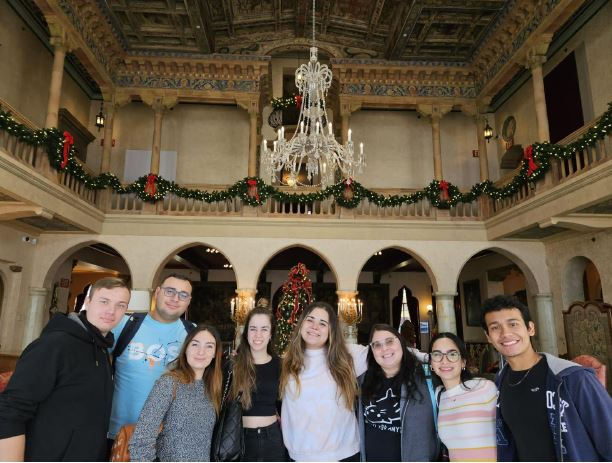
On Friday, December 8th, Multicultural International Club members and their advisor, Ms
Angela Cole, had the idea of celebrating their last Club meeting with a trip to Sarasota, to visit the famous ‘’Ringling Museum’’. This place reserves the legacy of John and Mable Ringling. It is home to the State Art Museum of Florida, the historic Ca’ d’Zan Mansion, Bayfront Gardens, the Art Library, two Circus Museums, and the Historic Asolo Theater.

The visiting group had a chance to walk around the 66-acres long property and visit all buildings, including the extensive art gallery, and the circus museums (which surprised all students).

Here is what the participant students had to say:
‘’Visiting the ringling museum was definitely one of my favorite trips with SPC so far! Being able to enjoy a little part of history with friends from the international club and share cultural history was a pleasure!’’
-Eduardo, SGA Rep for MIC

‘’The visit to the Ringling Museum was a fascinating experience, immersed in culture and
art that left a lasting impression on me.’’
-Carolina, MIC Historian


‘’Visiting the Ringling Museum was a very interesting and outstanding experience with the best company, by having so much fun together and learning about the history of art!’’
-Anna, MIC Treasurer


‘’I liked the ringling museum and would love to go back again.’’ – Angjelos, MIC Member

‘’The Ringling Museum trip was my favorite activity we have done. Quality time with second family.’’
-Kleidi, MIC VicePresident


‘’Going to the Ringling Museum with the international club was an experience I will never forget. To have been able to go to such a beautiful place with such nice people was so much fun, the way we all had so much fun and from the van ride to eating outside by the trees. I hope we get to share more amazing moments like this one!’’
-Adamarina, MIC Secretary


‘’Our trip to the Ringling Museum was extraordinary and I believe it was our best trip yet. Had the most fun, with excellent company. Thank you SPC for this opportunity!’’
-Florencia, MIC President

One Love!

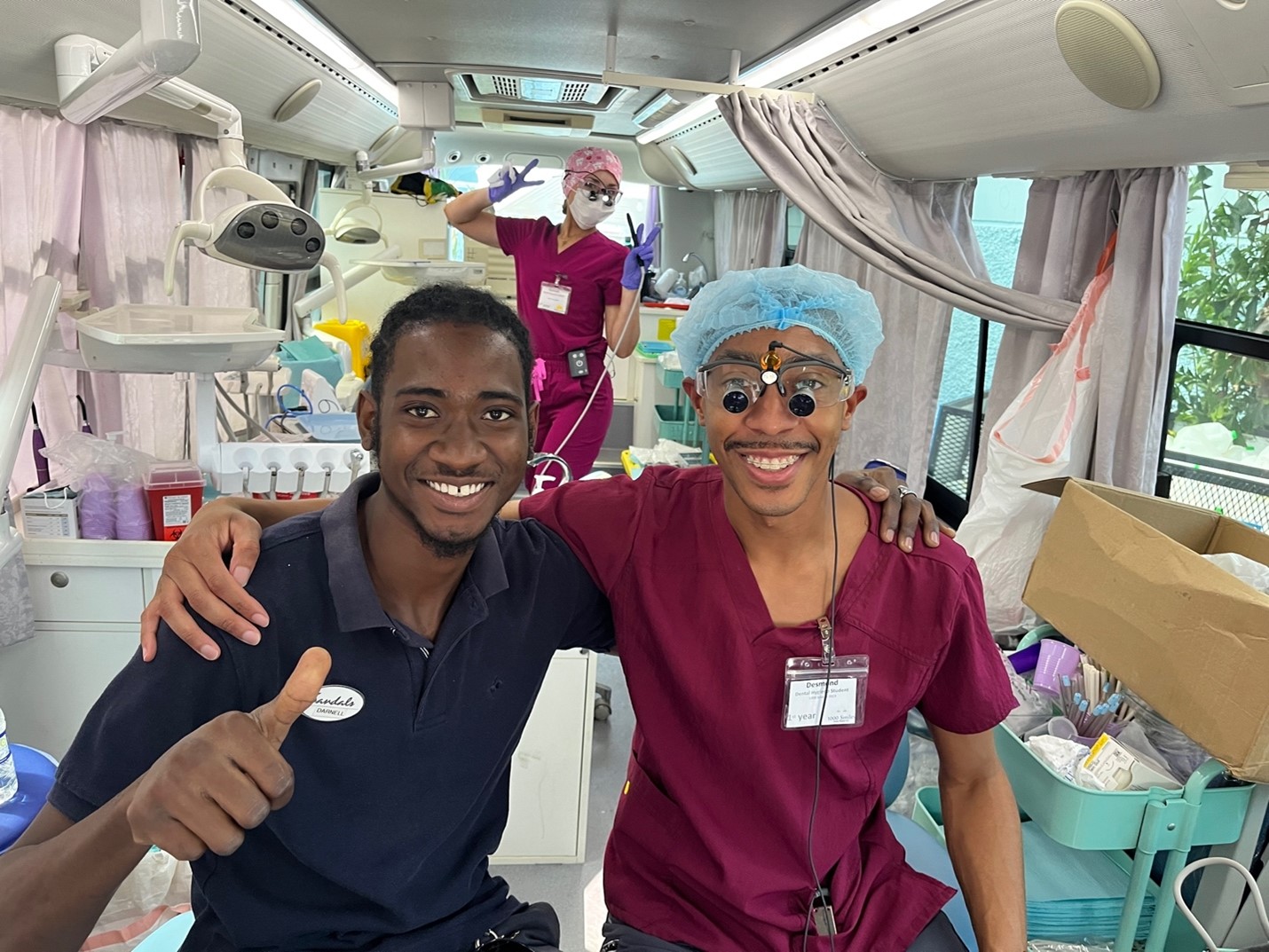
One of the greatest highlights throughout my journey in dental hygiene school has been the opportunity to travel to Jamaica. This opportunity allowed me to apply all the concepts that I have learned to be able to provide quality care to Jamaicans who reside in underserved communities. The moment that I arrived in Jamaica, I felt welcomed by the residents. When we arrived at the clinic, I was astounded to see and hear that some people traveled hours by walking and waited in extreme weather conditions just to be seen for dental care. Each patient that I encountered was very thankful for the services. I sensed their gratitude through the hugs that I received and the smiles that I saw throughout my time in Jamaica. The clinic rotation in Jamaica allowed me to hone my clinical skills to prepare me for my career as a dental professional and the value of making a difference in a person’s health by providing dental treatment.

During this trip, we were also provided the opportunity to travel to various schools in the community. The students were very respectful and receptive to our oral hygiene presentation.  A few kids even mentioned they remembered SPC’s presentation from previous years. This shows the impact that our college makes in Jamaica. While at the school, I saw a sign in the main office that mentioned “Be the type of person that no matter where you go or are, you always add value to the lives of those around you!” This experience allowed me to make this quote a reality. I will always cherish and be grateful for the opportunity I had to educate, service, and bond with the people of Jamaica. One Love!

– Desmond, SPC Jamaica Dental Study Abroad Program, October 2023

This trip went by way too fast and I can’t believe we’re already back in the states. This experience has changed me and my skills as a clinician in so many ways. Right away I learned we needed to be resourceful, creative, and flexible. We needed to learn how to provide the best service to our patients with the resources we had. While we were fortunate to have a full working clinic with great equipment, there were a few items that worked differently than they did in our clinic.  The biggest change is that I, for the first time, really felt I was helping the patients and making a real difference in their lives. Up until this point, I had felt as though I was indebted to the patients we saw at the SPC the clinic. As in the patients were doing me a favor by sitting for appointments in order to help with my experience and helping me meet my program requirements. In Jamaica, I was able to see the real difference I was making in the patients’ lives in helping them improve their health and livelihood. I was able to see this through the wonderful feedback from the local residents and through their immense gratitude for the services we were providing. I could have never expected this shift in my mindset before this trip. It is something that has given me the confidence boost I needed to become a good clinician. To future dental hygiene students, I would highly recommend participating in this experience. It will teach you the skills that you are unable to learn in classroom or clinic setting.

– Christina, SPC Jamaica Dental Study Abroad Program, October 2023

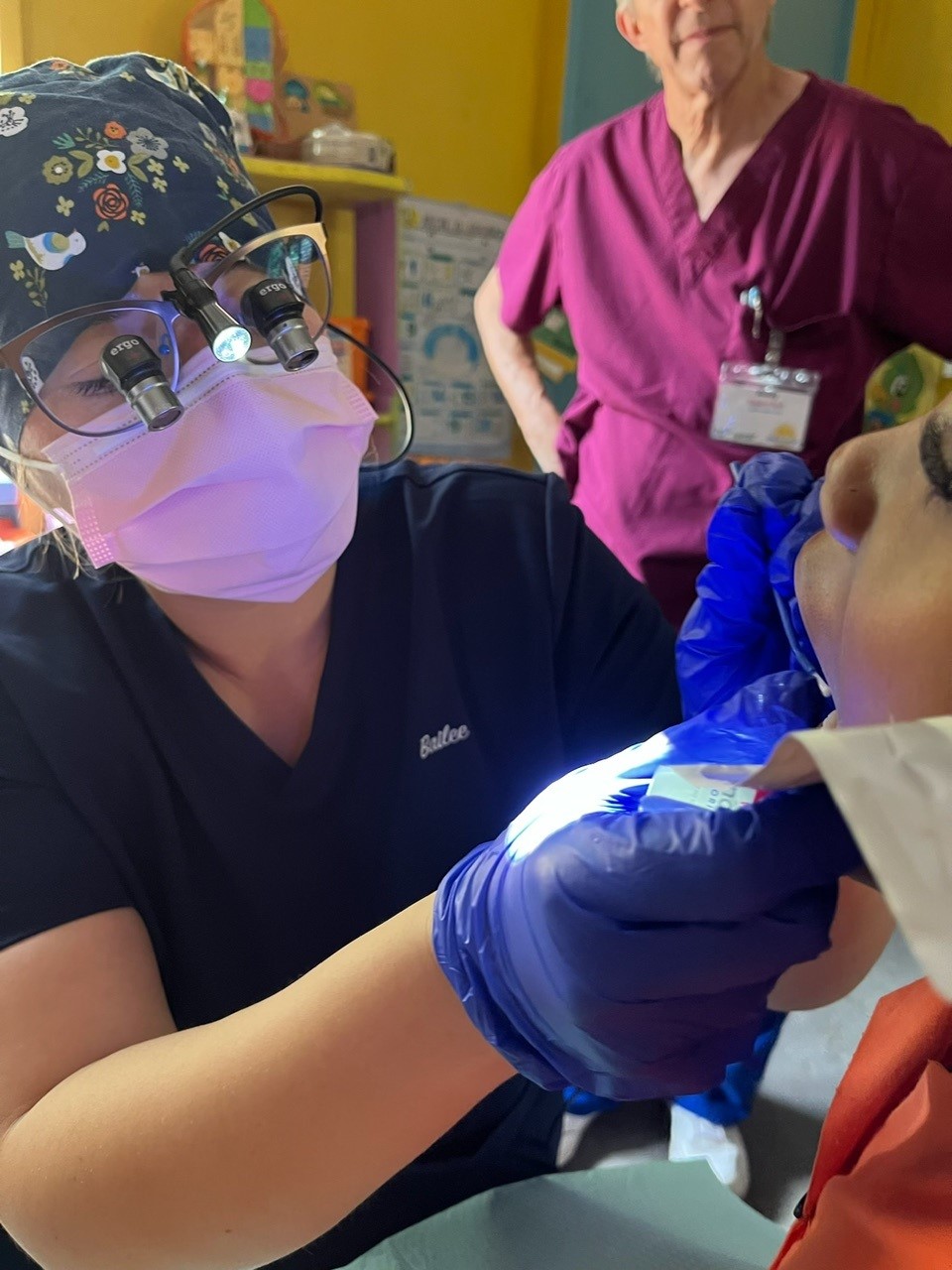
Jamaica was an experience of a lifetime. I was able to grow physically, mentally, and clinically! Everyday brought a new adventure and new amazing people. I was shown so much love, beauty, joy, and kindness. One of my favorite days was working in the clinic. Each clinic day I got to meet a new beautiful soul. One of the days I worked with one of the other volunteers and placed fluoride on preschoolers teeth. The way the little kids lit up when we walked into the classroom was sweet. It was crazy to think that at that age they were excited to just be given fluoride. They all rushed up after finishing to give hugs and appreciation. The memories I made in Jamaica will forever be with me and help influence the person I am today. I look forward to one day going back as a more experienced clinician to help this astonishing community again!– Bailee, SPC Jamaica Dental Study Abroad Program, October 2023

Jamaica changed me for life

This experience has shown me the purest form of love by the people of Jamaica. I feel like a changed person from this trip, it has shaped me into a more compassionate person. I not only improved my clinical skills but also my people skills, I am a much stronger clinician for my patients because of this experience. This trip has validated my true passion in life is exactly this, helping others through this profession. This trip validated for me that this is exactly what I’m meant to be doing. The people we helped were so grateful and welcomed us with open arms. Going to the school and seeing the children was my favorite part of this trip, they were so loving and respectful and were so excited to learn from us. This trip is a memory that I will cherish forever and will never get tired of sharing the experience with other people. I would go back in a heartbeat and do it all over again!

– Hannah, SPC Jamaica Dental Study Abroad Program, October 2023

Wow, this Jamaica Study Abroad was absolutely an AMAZING trip and one that I will never forget! This was my first-time visiting Jamaica, so I did not know what to expect. From the moment we stepped foot in Jamaica, the people there were so loving and welcoming. We learned all about the culture as we headed to the resort. The hospitality surely made us feel safe and comfortable as tourist. Being able to provide dental services to the residents of Jamaica was an absolute pleasure. We went from seeing two patients per day at school to being able to see on average seven patients per day! We provided dental prophylaxis, exams, sealants, fluoride treatments and oral hygiene education to our patients. Many of our patients traveled hours on foot to receive treatment. Everyone was beyond grateful for the care they received. We also had the opportunity to provide dental education to a variety of different schools. The school that I provided education to was a special needs school. The students stood when you entered the room, had so much respect and were just so full of joy. It melted my heart to see them so happy and excited to build their knowledge on their oral hygiene education. This was such a rewarding opportunity and has shaped us to be even better students. Each of us returned feeling so much more competent. I feel that this trip has prepared us for what it’s like to be an actual hygienist after graduation. It is truly a once in a lifetime experience and I would recommend everyone to apply. Pictures and words doesn’t do it justice. You just have to be there and experience it for yourself. I am truly proud of the team of dental hygiene students and faculty that I was able to go on this trip with. We made an excellent team and worked hard together to provide exceptional care and ensure that each patient was taken care of. Thank you to SPC and Great Shape Inc for making this humanitarian possible for the students. I will carry the memories of this trip with me forever and I look forward to returning someday as a Dental Hygienist! “One Love”

– Asia, SPC Jamaica Dental Study Abroad Program, October 2023